
10 Winter Wonderland Towns in Colorado Worth Visiting
Colorado in winter is about much more than ski resorts. Across the Rocky Mountains, historic mining communities, Victorian downtowns, mountain villages, and scenic valleys take on a completely different character once snow begins to cover the landscape. Some towns are built around world-class skiing, while others invite visitors to slow down, explore local history, enjoy natural hot springs, or simply spend an afternoon walking along streets framed by snow-covered peaks.
What makes a winter trip through Colorado especially interesting is the variety of experiences available. You can spend one day exploring the shops and restaurants of a lively mountain town, the next soaking in a natural hot spring, and another discovering the history of an old mining community surrounded by dramatic alpine scenery.
Whether you are planning a ski vacation, a family getaway, a romantic winter escape, or a road trip through the mountains, these ten Colorado destinations offer different ways to experience the season.
1. Breckenridge: A Classic Colorado Mountain Town
Breckenridge is one of the most recognizable winter destinations in Colorado, and its appeal goes well beyond the ski slopes. Located in Summit County at approximately 9,600 feet above sea level, the town combines a major mountain resort with a historic downtown that retains much of its nineteenth-century character. The heart of Breckenridge is Main Street. During winter, its historic buildings, independent shops, restaurants, galleries, and mountain views create the atmosphere many visitors imagine when they picture a Colorado winter vacation. It is an excellent place to spend time even if skiing is not the main reason for your visit.
Breckenridge Ski Resort attracts skiers and snowboarders with terrain spread across multiple peaks, offering options for beginners, intermediate riders, and experienced mountain enthusiasts. Visitors who prefer activities away from the lifts can look into snowshoeing, sleigh rides, winter hiking on suitable trails, and other seasonal experiences.
The town also has a strong dining and après-ski scene. After spending the day outdoors, visitors can return to downtown for dinner, a warm drink, or an evening exploring the local businesses.
Breckenridge is particularly appealing to travelers who want a complete mountain-town experience: skiing, shopping, restaurants, historic architecture, and a lively atmosphere in one destination.
Best for: Ski vacations, families, couples, shopping, dining, and travelers looking for a traditional Colorado mountain-town atmosphere.
2. Telluride: Dramatic Mountain Scenery and Historic Character
Telluride offers one of the most striking settings in the Colorado Rockies. The town sits inside a dramatic box canyon surrounded by steep mountain walls, creating a landscape that feels both secluded and spectacular. In winter, snow-covered peaks rise above the historic downtown, giving the community a distinctive alpine atmosphere.
The town’s past is closely connected to Colorado’s mining history, and that heritage remains visible in its architecture and streets. Visitors can explore local shops, restaurants, galleries, and historic buildings while enjoying views of the surrounding San Juan Mountains.
Telluride Ski Resort is a major attraction, with terrain that appeals to a wide range of skiing and snowboarding abilities. The resort is known for its mountain scenery as much as its skiing, and the combination of high alpine terrain and a compact historic town makes the destination particularly memorable.
One of Telluride’s most convenient features is its free gondola, which connects the historic town with Mountain Village. The ride provides beautiful views and serves as an important transportation link between the two communities. Even visitors who are not skiing can enjoy the experience when operating conditions and schedules permit.
Beyond skiing, winter visitors can explore snowshoeing opportunities, guided outdoor experiences, local dining, and the town’s cultural scene. Telluride is also a destination where the journey requires planning: it is farther from Denver than many Front Range and Summit County resorts, so travelers should consider road conditions, travel time, and overnight arrangements.
Best for: Couples, mountain scenery, skiing, photography, historic downtown exploration, and travelers looking for a more secluded destination.
3. Ouray: Hot Springs and the Beauty of the San Juan Mountains
Ouray is often called the Switzerland of America, a nickname inspired by its dramatic mountain setting. Surrounded by steep peaks in a narrow valley, this small southwestern Colorado town offers a winter experience that is different from the larger ski destinations.
One of Ouray’s biggest attractions is its natural hot springs. After spending time in the cold mountain air, visitors can relax in warm mineral water while looking toward the surrounding snowy landscape. The contrast between the winter temperatures and the hot pools is one of the experiences that makes Ouray especially appealing.
The town is also internationally recognized for ice climbing. During winter, frozen waterfalls and designated climbing areas attract experienced climbers and people interested in learning the sport through guided instruction. The Ouray Ice Park is a major part of the local winter identity, although access, conditions, and operating details should always be checked before planning a visit.
Downtown Ouray is compact and easy to explore on foot. Its historic buildings, independent businesses, restaurants, and mountain views create a relaxed atmosphere. Visitors who are not interested in technical outdoor activities can enjoy the town at a slower pace, combining sightseeing with a visit to the hot springs.
Ouray is also a useful base for exploring the San Juan Mountains, but winter driving in this region deserves particular attention. Mountain highways can experience snow, ice, and temporary closures, so visitors should check current road conditions before traveling between communities.
Best for: Natural hot springs, ice climbing, mountain photography, couples, and travelers who prefer a quieter winter getaway.
4. Crested Butte: A Colorful Village with a Strong Outdoor Culture
Crested Butte has a personality that sets it apart from many of Colorado’s larger resort communities. Its historic downtown is known for colorful Victorian buildings, independent businesses, and a relaxed mountain-town atmosphere. Surrounded by the Elk Mountains, the area becomes especially picturesque during winter.
Crested Butte Mountain Resort is the main attraction for skiers and snowboarders. Its terrain includes options for different experience levels, with challenging areas that have helped establish the resort’s reputation among more advanced skiers.
However, the destination is not limited to downhill skiing. Winter visitors can explore snowshoeing, Nordic skiing, fat biking, and other outdoor activities, depending on local conditions and available services. The surrounding landscape offers a quieter side of Colorado’s winter, with open valleys, forested areas, and impressive mountain views.
The historic downtown, often referred to as the town of Crested Butte, is an important part of the experience. Restaurants, cafés, shops, and local events give visitors plenty of reasons to spend time away from the resort. The town’s atmosphere is less focused on luxury and more connected to its independent outdoor community.
Crested Butte is a good choice for travelers who want skiing combined with a distinctive small-town setting. It is also worth considering for visitors who enjoy outdoor activities beyond the ski lifts.
Best for: Outdoor enthusiasts, skiing, snowshoeing, Nordic activities, photography, and travelers who appreciate historic mountain communities.
5. Durango: Historic Railroads, Mountain Adventures, and Winter Scenery
Durango offers a different kind of Colorado winter vacation. Located in southwestern Colorado along the Animas River, the city combines a historic downtown, access to mountain recreation, and a strong connection to the region’s railroad and mining heritage.
The Durango & Silverton Narrow Gauge Railroad is one of the area’s best-known attractions. This historic steam railroad travels through dramatic mountain and canyon scenery. Its winter excursions operate on a different route from the full summer journey, so visitors should review the seasonal schedule and destination before booking. Special holiday experiences may also be available on selected dates.
For downhill skiing and snowboarding, Purgatory Resort is located north of Durango. The resort offers terrain for different skill levels and provides a convenient way to add a mountain day to a vacation based in town.
Durango also has opportunities for snowshoeing, ice skating, winter hiking, guided outdoor activities, and visits to nearby hot springs. The historic downtown along Main Avenue is another highlight, with restaurants, local shops, galleries, and buildings that reflect the city’s past.
One of Durango’s advantages is the variety of experiences within the broader region. Travelers can combine a visit to the historic town with skiing, a railroad excursion, or a relaxing afternoon at a hot spring.
Because Durango is in southwestern Colorado, it is not a quick side trip from Denver. Visitors should plan the journey as part of a longer vacation and pay close attention to winter road conditions, especially when traveling through high mountain areas.
Best for: Families, history enthusiasts, railroad experiences, skiing, hot springs, and travelers planning a longer southwestern Colorado vacation.
6. Steamboat Springs: Champagne Powder and Western Mountain Heritage
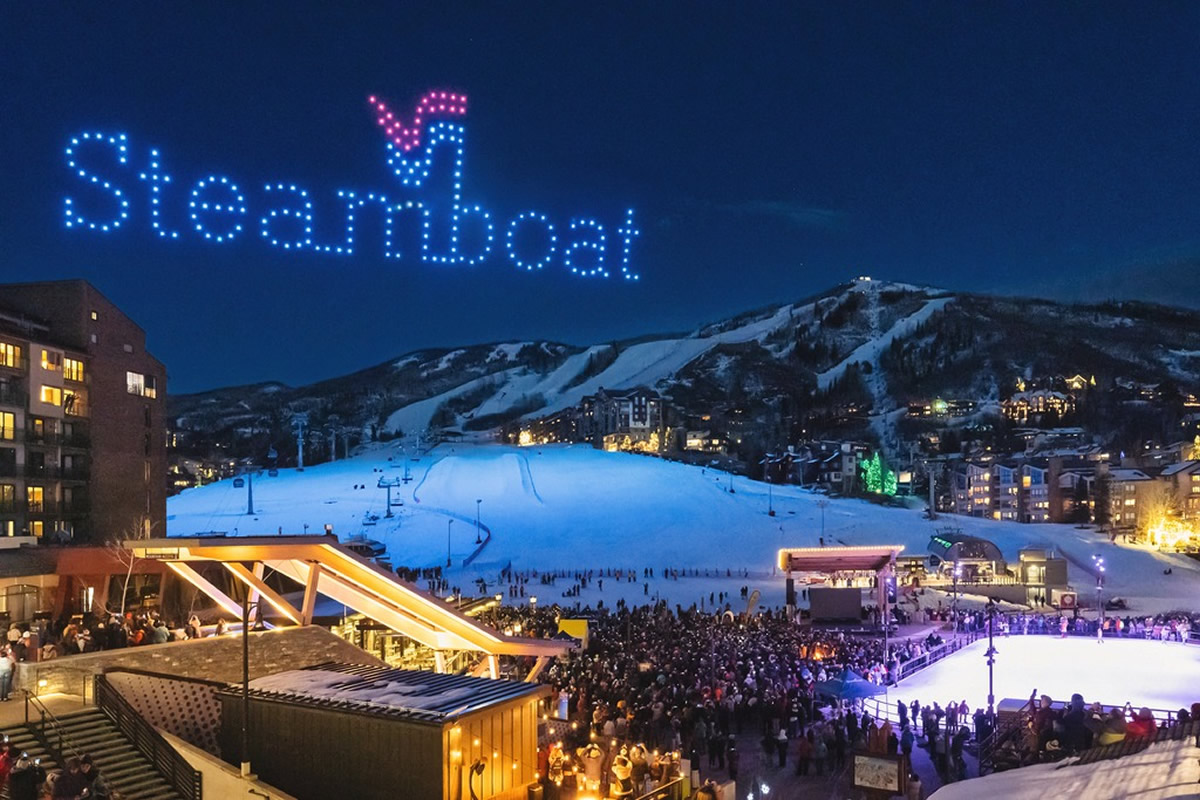
Steamboat Springs is famous for its Champagne Powder® snow, a term associated with the area’s light, dry powder conditions. The town has developed an international reputation as a winter sports destination, but its identity is also rooted in a western heritage that remains visible throughout the community.
Steamboat Ski Resort is the main attraction for many visitors. Its mountain terrain provides opportunities for skiing and snowboarding, while the surrounding area offers additional winter activities such as snowmobiling, snowshoeing, and cross-country skiing.
One of the most appealing experiences in Steamboat Springs is visiting its hot springs. The area has natural geothermal features, and places such as Old Town Hot Springs and Strawberry Park Hot Springs provide opportunities to relax in warm water during the colder months. Access requirements and operating conditions vary, particularly at more remote facilities, so visitors should check details before setting out.
Downtown Steamboat has a character of its own. Historic buildings, local restaurants, shops, and western-themed businesses create an atmosphere that feels different from some of Colorado’s more upscale resort towns.
The combination of winter sports, hot springs, and local culture makes Steamboat Springs a strong option for travelers who want more than a ski-focused vacation. It is also a destination where staying several days makes sense, allowing visitors to enjoy the mountain and the town at a comfortable pace.
Best for: Skiing, snowboarding, hot springs, families, outdoor recreation, and travelers interested in Colorado’s western heritage.
7. Aspen: Mountain Luxury, Culture, and Four Distinct Ski Areas
Aspen is one of Colorado’s most internationally recognized winter destinations. Known for its upscale accommodations, restaurants, shopping, and cultural attractions, the town offers a sophisticated mountain experience while remaining closely connected to its mining history.
Aspen’s winter appeal is closely associated with four ski areas: Aspen Mountain, Aspen Highlands, Buttermilk, and Snowmass. Each offers a different mountain experience, giving visitors several options depending on their skiing ability and interests. Snowmass, for example, is a major destination for families and skiers looking for extensive terrain, while Aspen Mountain rises directly above the downtown area.
The town itself is an attraction. Visitors can explore boutiques, art galleries, restaurants, and historic buildings, or attend cultural events and performances at venues such as the Wheeler Opera House. Aspen’s dining scene ranges from casual mountain restaurants to high-end culinary experiences.
Not every visitor comes to Aspen to ski. Some travel for the atmosphere, the scenery, the shopping, or the opportunity to enjoy a mountain vacation with a more refined style. Winter events and seasonal celebrations add another dimension to the experience.
Travel planning is especially important in winter. Independence Pass closes seasonally, so travelers coming from the Denver area should use the appropriate year-round route through Glenwood Springs and check current road conditions before departure.
Best for: Luxury vacations, skiing, fine dining, shopping, cultural experiences, and couples looking for an upscale mountain getaway.
8. Estes Park: A Winter Gateway to Rocky Mountain National Park
Estes Park offers a quieter kind of winter experience, centered on mountain scenery, wildlife, and access to Rocky Mountain National Park. Located at the eastern entrance to the park, the town is a popular destination for visitors who want to experience Colorado’s natural landscapes without planning their entire vacation around a ski resort.
During winter, the surrounding mountains provide a dramatic backdrop for scenic drives, wildlife viewing, photography, snowshoeing, and winter hiking on appropriate trails. Elk are frequently seen in the broader Estes Park area, although wildlife sightings are never guaranteed and visitors should observe animals from a safe distance.
Rocky Mountain National Park remains a major attraction throughout the year, but winter changes which roads and trails are accessible. Bear Lake Road is generally maintained for year-round access, weather permitting, while Trail Ridge Road closes to through traffic during the winter season. Visitors should check the National Park Service road status before planning a drive.
Downtown Estes Park is also worth exploring. The town has independent shops, restaurants, cafés, and mountain views that make it a pleasant place to spend an afternoon. The historic Stanley Hotel is another well-known landmark and an interesting stop for visitors interested in local history and architecture.
Estes Park is particularly appealing to travelers who prefer nature, scenic views, and a slower pace. It can also be a good choice for a family trip, provided outdoor activities are selected according to weather, road conditions, and individual experience.
Best for: Wildlife viewing, nature, photography, families, winter hiking, and visitors who want to explore Rocky Mountain National Park.
9. Silverton: A Remote Mountain Town for Adventurous Travelers
Silverton is one of the most distinctive historic communities in Colorado. Located high in the San Juan Mountains, this former mining town has preserved much of its nineteenth-century character. Its compact downtown, historic buildings, and dramatic mountain setting create an atmosphere that feels far removed from larger resort destinations.
Winter in Silverton is particularly appealing to experienced outdoor enthusiasts. Silverton Mountain is known for its steep terrain and advanced skiing experience. The area also attracts backcountry skiers and snowboarders, although backcountry travel requires appropriate training, equipment, avalanche awareness, and careful planning. Visitors who prefer a less demanding experience can explore the historic downtown, learn about the region’s mining past, enjoy local restaurants, and appreciate the surrounding scenery. Silverton’s small size is part of its appeal, but travelers should be prepared for fewer services than they would find in larger resort towns.
The Durango & Silverton Narrow Gauge Railroad is closely connected to the area’s history, but its winter route does not generally travel all the way to Silverton. Winter excursions operate on a shorter route, so travelers should not assume that the railroad provides winter access between Durango and Silverton.
Road travel also requires attention. The mountain highways around Silverton can be affected by snow, ice, and changing weather. Visitors should check road conditions before traveling and avoid treating high-country routes as ordinary scenic drives during winter.
Best for: Experienced skiers, backcountry enthusiasts, mining history, mountain photography, and travelers looking for a remote Colorado destination.
10. Georgetown: Victorian Architecture and a Historic Mountain Setting
Georgetown is one of the most accessible historic mountain towns for visitors traveling west from the Denver metropolitan area. Located in Clear Creek County, it offers a compact downtown surrounded by mountain scenery and a strong connection to Colorado’s mining and railroad history.
The town’s Victorian architecture is one of its defining features. Walking through downtown reveals historic storefronts, local businesses, restaurants, and buildings that recall the community’s nineteenth-century prosperity. During the holiday season, seasonal decorations and community celebrations add to its winter atmosphere.
The Georgetown Loop Railroad is another major attraction. This historic narrow-gauge railway operates seasonal experiences, including special holiday-themed excursions on selected dates. Because schedules and operations change throughout the year, visitors should check the railroad’s current calendar before planning a trip. Georgetown is also a convenient destination for travelers interested in combining a short mountain excursion with a longer stay in Colorado. Its location near Interstate 70 makes it easier to reach than many communities deeper in the Rocky Mountains, although winter weather can still create challenging driving conditions.
Unlike larger ski towns, Georgetown is not primarily a resort destination. Its appeal comes from its history, architecture, seasonal events, and mountain setting. It is a particularly good choice for visitors who want to experience a traditional Colorado town without committing to a full ski vacation.
Best for: Historic architecture, holiday experiences, railroad enthusiasts, short winter getaways, and travelers looking for a scenic mountain town near Denver.
How to Choose the Right Colorado Winter Destination
Each of these towns offers a different version of winter in Colorado. The best choice depends on the kind of vacation you have in mind.
If skiing is the priority, Breckenridge, Telluride, Crested Butte, Steamboat Springs, Aspen, and Silverton offer very different mountain experiences. Some are better suited to families and mixed-ability groups, while others are particularly appealing to experienced skiers.
For a relaxing getaway, Ouray and Steamboat Springs stand out because of their hot springs. Visitors interested in history and local character may prefer Georgetown, Silverton, Durango, or Breckenridge. Those who want to focus on wildlife and national park scenery should consider Estes Park.
Travel distance matters, too. Georgetown and Breckenridge are relatively convenient options for many travelers arriving through Denver International Airport. Aspen, Telluride, Durango, and Silverton require more careful planning because of their distance and the mountain roads involved.
A successful winter vacation is not simply about choosing a beautiful town. It is about matching the destination to your schedule, interests, travel group, and transportation arrangements.
Planning a Winter Road Trip Through Colorado
Driving through Colorado in winter can be a memorable part of the vacation, but mountain travel requires preparation. Snowfall, freezing temperatures, strong winds, reduced visibility, and icy pavement can affect highways with little warning.
Before leaving, check current road conditions through the Colorado Department of Transportation’s COtrip resources. Pay attention to traction and chain requirements, temporary closures, and weather advisories. A route that looks short on a map may take considerably longer during a winter storm. It is also important to understand that not every mountain road remains open throughout the winter. High-elevation passes may close seasonally, and scenic routes that are popular in summer may not be suitable or accessible during colder months.
Travelers should allow extra time, avoid tight connections between distant destinations, and make sure their transportation arrangements are appropriate for the expected conditions. If your itinerary includes several mountain towns, consider whether it is practical to drive between them on the same day or whether an overnight stop would make the trip more comfortable.
For visitors arriving by air, transportation from Denver International Airport or Eagle County Regional Airport can also be an important part of the planning process.
Enjoy Colorado’s Winter Mountains with Great Divide Transportation
A winter trip to Colorado should be about enjoying the mountains, not worrying about every mile of the drive. Mountain weather can change quickly, and navigating unfamiliar roads, traffic, snow, and winter driving requirements can add stress to a vacation.
Great Divide Transportation provides private transportation for travelers visiting Colorado’s mountain destinations. Whether you are arriving at Denver International Airport, traveling to Vail or Beaver Creek, or arranging a private transfer to another mountain destination, planning your transportation in advance can make the journey more comfortable. Private transportation can be especially useful for families, groups, travelers carrying ski equipment, and visitors who prefer not to drive in unfamiliar winter conditions. Vehicle selection and availability depend on the trip, passenger count, luggage, and booking details.
Vail Limo Service
If you are planning a winter vacation in Colorado, contact Great Divide Transportation to discuss your itinerary and transportation needs. From airport pickups to private mountain transfers, we can help you plan the ground transportation portion of your trip.
Explore Colorado this winter and make the journey part of the experience.

vail transportation