

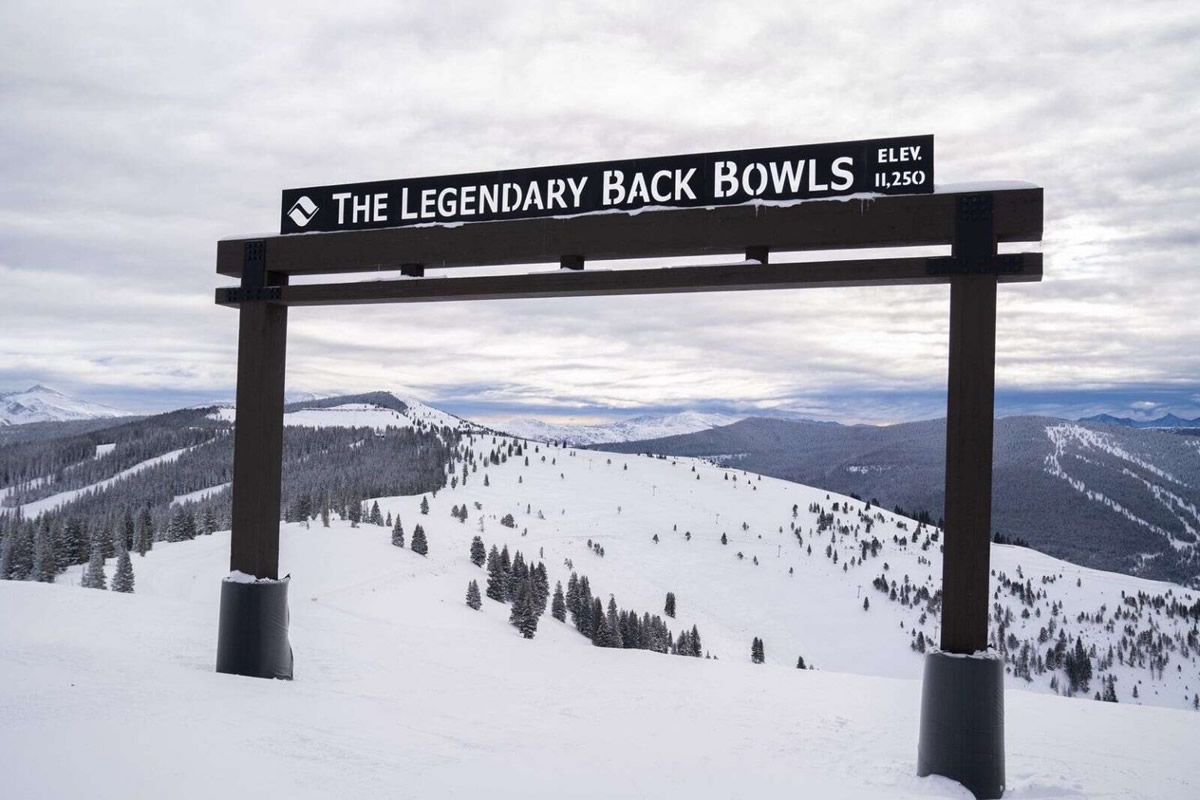
Few ski destinations in North America offer the kind of expansive mountain terrain found in the legendary Back Bowls of Vail. Located on the backside of Vail Mountain in Colorado, this remarkable collection of open alpine slopes has become one of the resort’s most recognizable attractions, drawing skiers and snowboarders from around the world.
Covering nearly 2,800 acres and featuring 47 trails across seven distinct bowls, this part of the mountain offers an entirely different experience from the groomed runs and tree-lined slopes on Vail’s Front Side. Here, wide-open snowfields, natural terrain variations, powder-filled gullies and spectacular Rocky Mountain views create an environment where every descent can feel like a new adventure.
Whether you’re visiting Vail for the first time or returning to explore more of the mountain, skiing the Back Bowls should be part of your winter itinerary. Understanding the different areas, their difficulty levels and how to access them will help you make the most of your time on the mountain.
What Makes Vail’s Back Bowls So Special?
In skiing terminology, a bowl is a broad, naturally formed mountain basin with relatively open slopes and different pitch variations. Unlike traditional ski trails surrounded by trees, these areas provide more room to select a line and experience the mountain’s natural terrain.
Vail’s Back Bowls are particularly famous for their size, variety and impressive high-alpine scenery. Depending on the location and snowfall, visitors can find everything from groomed intermediate runs to steep slopes, tree skiing and challenging powder terrain.
The seven Legendary Back Bowls are located behind the main Front Side of Vail Mountain. Their different orientations and elevations create changing snow conditions throughout the season. After a major snowfall, certain sections can hold excellent powder, while sunny spring days transform the open slopes into some of Colorado’s most enjoyable places for cruising.
The history of these bowls is closely connected to the origins of Vail Ski Resort. In March 1957, Vail co-founder Pete Seibert first explored the area after Earl Eaton showed him the mountain’s potential. Their early exploration helped establish the vision for what would eventually become one of the most famous ski destinations in the United States.
Vail officially opened in 1962, introducing skiers to terrain that would become a defining part of its international reputation.
Discover the Seven Legendary Back Bowls
Each of Vail’s seven bowls has its own character. Some offer relatively accessible intermediate terrain, while others are known for steep pitches, challenging lines and more secluded skiing experiences.
Sun Up Bowl: A Classic Introduction to the Back Bowls
Sun Up Bowl is an excellent starting point for skiers who want to experience the famous backside terrain of Vail Mountain. Its combination of groomed slopes, open areas and tree skiing provides plenty of variety without requiring visitors to immediately tackle the most demanding terrain.
Intermediate and advanced skiers will find several enjoyable options, making this bowl a popular introduction to the Back Bowls experience.
One of the highlights is the iconic Legendary Back Bowls sign, a popular photo opportunity near the top of the mountain. It is a great place to capture the scenery and mark your visit to one of Colorado’s most recognizable ski areas.
When fresh snow arrives, the glades around Yonder, Over Yonder and WFO offer additional opportunities to explore natural terrain. These areas are particularly appealing to skiers who enjoy consistent pitches and the feeling of moving through less crowded sections of the mountain.
Sun Down Bowl: Vail’s Largest and Most Adventurous Bowl
For skiers looking for a larger and more exploratory experience, Sun Down Bowl offers an impressive combination of terrain features.
As the largest of the Back Bowls, this area includes open slopes, tree-lined sections, gullies, cliffs and hidden entrances that reward visitors willing to explore beyond the main runs.
Its varied landscape makes it especially attractive to advanced skiers who are comfortable navigating changing terrain and evaluating snow conditions.
One notable run is Forever, a trail with an interesting connection to Vail’s early history. The name reportedly originated when ski racer Pepi Gramshammer visited the mountain before the modern lift system existed. After hiking up the bowl, he commented that the climb had taken forever, giving the run its memorable name.
On sunny spring days, Forever is particularly enjoyable, offering a long descent through the impressive landscape of the backside.
Tea Cup Bowl: A More Intimate Mountain Experience
Situated between Sun Up and China bowls, Tea Cup Bowl provides a somewhat smaller and more secluded skiing environment.
Its combination of glades, tree skiing and open sections creates a playful mix of terrain that becomes especially appealing after fresh snowfall. Compared with some of the larger bowls, Tea Cup can feel more intimate and offers opportunities to explore different lines.
Intermediate and advanced skiers can both find enjoyable options here, depending on the specific run and current snow conditions.
For visitors who want to experience the natural character of Vail Mountain without spending the entire day on the most heavily traveled routes, Tea Cup Bowl is worth including in their plans.
China Bowl: Wide-Open Slopes and Spectacular Views
China Bowl offers one of the most varied skiing experiences in the Back Bowls. Its terrain includes long, flowing groomed runs, broad intermediate slopes and steeper sections for more experienced skiers.
Poppyfields is a particularly good option for those looking to enjoy the open scenery while staying within more approachable terrain. Its wide slopes make it a rewarding choice for intermediate skiers who want to experience the backside without committing to particularly difficult descents.
More advanced visitors can explore steeper routes, including Genghis Khan, known for its sustained pitch.
China Bowl also offers impressive views toward Blue Sky Basin and Mount of the Holy Cross. The combination of expansive mountain scenery and varied terrain makes this one of the areas worth spending additional time exploring.
Siberia Bowl: Challenging Terrain for Expert Skiers
Siberia Bowl is known for some of the most demanding terrain in Vail’s Back Bowls. Its steep pitches, challenging lines and cliff features make it a destination primarily suited to experienced skiers who are comfortable with advanced mountain conditions.
One of its notable expert runs is Rasputin’s Revenge, a demanding descent that requires good technique and confidence.
When deep powder covers the slopes, Siberia can deliver an exceptional skiing experience. However, its south-facing orientation means snow conditions may change relatively quickly as temperatures rise and sunlight affects the surface.
Visitors should evaluate conditions carefully before entering this area and choose terrain that matches their abilities.
Inner Mongolia and Outer Mongolia: Exploring Vail’s More Remote Terrain
For experienced skiers looking to venture farther from the main routes, Inner Mongolia and Outer Mongolia offer a more secluded experience.
These bowls have a distinctly remote character, with natural terrain, open powder sections and a greater sense of exploration. Inner Mongolia is particularly interesting when fresh snowfall fills its lower-angle slopes, creating enjoyable opportunities for powder skiing.
Reaching these areas requires additional navigation, and skiers should be prepared for longer traverses and a more extended return along the connecting catwalk.
The extra effort can be worthwhile for visitors who enjoy exploring less accessible parts of the mountain. However, these areas are best approached with proper planning, an understanding of the trail network and awareness of current mountain conditions.
How Difficult Are the Vail Back Bowls?
One of the most important things to understand before skiing the Back Bowls is that not every area offers the same level of difficulty.
Although there are some intermediate-friendly options, much of the terrain is better suited to intermediate, advanced and expert skiers. The difficulty can also change significantly from one trail to another within the same bowl.
For intermediate visitors, areas such as Sun Up Bowl and selected runs in China Bowl provide opportunities to experience the backside while staying within more manageable terrain.
Advanced skiers can explore steeper slopes, tree skiing and more challenging routes throughout the mountain. Expert skiers will find additional opportunities in Siberia, Sun Down and the Mongolia bowls.
Before heading out, review the official Vail Mountain trail map and check which lifts and terrain areas are open. Weather, snowfall, visibility and mountain operations can all influence which routes are appropriate on a particular day.
Snowboarders should also pay attention to traverses and connecting trails, since some sections are easier to navigate on skis.
How to Get to the Vail Back Bowls
Accessing the Back Bowls is relatively straightforward once you understand the lift system and how the different areas connect to Vail’s Front Side.
There are several main access points:
- Eastern access: Wildwood Express Lift (#3) and Game Creek Express Lift (#7) provide connections toward the eastern sections.
- Central access: Northwoods Express Lift (#11) and Mountaintop Express Lift (#4) help skiers reach the central mountain terrain.
- Western access: Sourdough Express Lift (#14) provides another connection toward the backside.
The best route depends on where you begin your ski day, which lifts are operating and which bowl you want to explore.
First-time visitors may benefit from taking a guided mountain tour or reviewing the interactive trail map before heading toward unfamiliar terrain.
Planning your route is particularly important if you intend to explore several bowls during the same day. The distances between areas can be considerable, and returning to the Front Side may require additional time.
Spring Skiing in the Back Bowls: Sunshine, Powder and Mountain Views
Although the Back Bowls are famous for their winter powder conditions, spring can be one of the most enjoyable times to explore this part of Vail Mountain.
As the season progresses, warmer temperatures and longer days create a different atmosphere. The open slopes receive plenty of sunshine, and the snow gradually softens throughout the day.
A good approach is to start skiing earlier in the morning, when the snow is generally firmer, and then follow the changing conditions as the mountain warms up.
Sunscreen, sunglasses and appropriate clothing are essential, especially at higher elevations where sunlight can be intense.
Vail also offers several on-mountain decks where visitors can take a break, enjoy food and appreciate the surrounding scenery. Some outdoor areas provide opportunities for a relaxed mountain lunch before returning to the slopes.
After skiing, Vail Village and Lionshead offer restaurants, outdoor patios and après-ski experiences that make it easy to continue enjoying the day.
Tips for Planning Your Back Bowls Ski Day
A little preparation can make a significant difference when exploring Vail’s backside terrain.
Start by checking the official trail map and current mountain report. Not all bowls or connecting lifts are necessarily open every day, since access depends on snowfall, coverage, safety and operational decisions.
Choose your routes according to your skiing ability rather than assuming that every bowl offers similar conditions. If you are unfamiliar with the area, consider taking a guided tour or skiing with someone who knows the mountain.
Allow enough time to explore. The Back Bowls cover a large area, and moving between different sections can involve traverses, lift connections and longer descents.
Finally, plan your transportation before leaving your accommodations. Vail offers several lodging areas, including Vail Village, Lionshead, West Vail and East Vail, and getting to the ski lifts can require different arrangements depending on where you are staying.
For visitors arriving through Denver International Airport or Eagle County Regional Airport, arranging transportation in advance is a practical way to simplify the beginning of a ski vacation, particularly when traveling with luggage and ski equipment.
Frequently Asked Questions About Vail’s Back Bowls
How many Back Bowls does Vail have?
Vail Mountain has seven Legendary Back Bowls: Sun Up, Sun Down, Tea Cup, China, Siberia, Inner Mongolia and Outer Mongolia. Together, they cover nearly 2,800 acres and include approximately 47 trails.
Are Vail’s Back Bowls suitable for beginners?
Most of the Back Bowls are better suited to intermediate, advanced and expert skiers. Some runs are more approachable than others, but beginners should generally develop their skills on appropriate Front Side terrain before exploring the backside.
When do the Vail Back Bowls open?
The Back Bowls typically operate during the winter ski season, with their opening depending on snowfall, snow coverage, safety and resort operations. They generally form part of the mountain experience between December and April, but actual opening dates and availability vary each season.
How high is Vail Mountain?
Vail Mountain has a base elevation of approximately 8,150 feet and reaches a maximum elevation of 11,570 feet. Visitors should allow time to adjust to the altitude, stay hydrated and recognize that physical exertion can feel more demanding at higher elevations.
Is Blue Sky Basin part of the Legendary Back Bowls?
No. Blue Sky Basin is a separate area of Vail Ski Resort. Although it is located on the backside of the mountain and is often explored as part of the same ski-day itinerary, it is not one of the seven Legendary Back Bowls.
Which Vail Back Bowl is best for intermediate skiers?
Sun Up Bowl and selected sections of China Bowl are good places for intermediate skiers to explore, provided they are comfortable with the specific conditions and terrain of their chosen runs.
Which Back Bowl is the most challenging?
Siberia Bowl is particularly well known for its steep and demanding terrain. Certain sections of Sun Down and the Mongolia bowls can also challenge experienced skiers. Difficulty depends on the individual run, snowfall and current conditions.
Can you ski all seven Back Bowls in one day?
It may be possible for strong skiers with good mountain knowledge and favorable lift operations, but exploring all seven bowls in a single day can be demanding. Many visitors prefer to concentrate on a few areas and enjoy the terrain without rushing.
How do you reach the Back Bowls from Vail Village?
Visitors staying in Vail Village can reach the mountain through the resort’s lift access and connecting transportation options. Once on the mountain, several lifts and connecting trails provide access to the Back Bowls. Check the current resort map for the most appropriate route.
Experience the Best of Vail Mountain
The Legendary Back Bowls represent much of what makes Vail such an exceptional ski destination. Their expansive terrain, impressive scenery and variety of skiing experiences offer something different from the traditional resort slopes.
From the approachable runs of Sun Up and China bowls to the challenging terrain of Siberia and the more secluded Mongolia areas, each section provides another reason to explore the mountain.
Whether you are planning your first Colorado ski vacation or returning for another winter in the Rockies, make time to discover the Back Bowls and experience one of the most distinctive parts of Vail Mountain.
Planning a ski trip to Vail? Great Divide Transportation provides private transportation services between Denver International Airport, Eagle County Regional Airport, Vail and surrounding Colorado mountain destinations. Arrange your transportation in advance and enjoy a more comfortable journey to the resort, with convenient service for individuals, families and groups traveling with ski equipment.

vail limo