

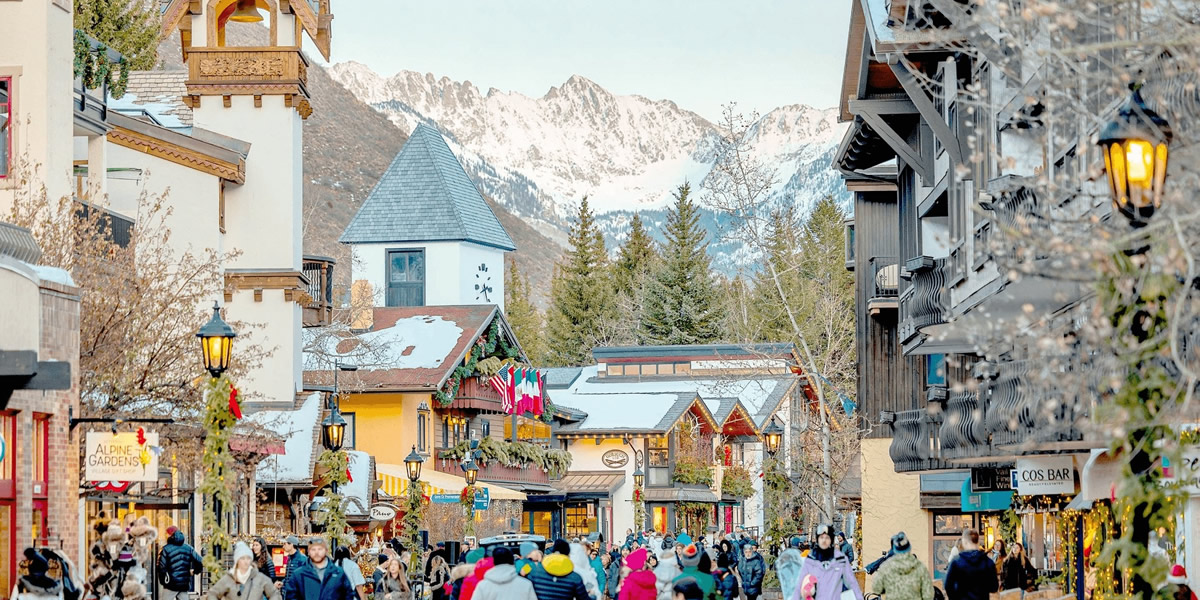
Exploring the Charm of Vail Village: A Premier Destination in Colorado
Vail Village is one of the most recognizable mountain destinations in Colorado, but its appeal goes far beyond its reputation as the base of one of the largest ski resorts in the United States. Located in the heart of the Rocky Mountains, Vail Village combines dramatic alpine scenery with European-inspired architecture, pedestrian streets, upscale lodging, restaurants, boutiques, galleries, cultural attractions, and year-round outdoor recreation. The result is a destination that feels carefully designed for exploration rather than simply passing through. Visitors can walk along cobblestone streets in the morning, take a gondola into the mountains, enjoy lunch overlooking the surrounding peaks, browse local shops in the afternoon, and finish the day with an exceptional dinner without needing to leave the village. Whether you are planning a winter ski vacation, a summer mountain escape, a romantic getaway, a family trip, or a special celebration, Vail Village provides an unusually complete Rocky Mountain experience.
What Makes Vail Village So Special?
What distinguishes Vail Village from many other mountain communities is the way the destination integrates the natural environment with the built environment. Instead of functioning like a conventional resort where hotels, restaurants, parking areas, and attractions are scattered throughout a large area, the central village is designed around pedestrian movement and shared public spaces. Stone pathways, timber-framed buildings, covered bridges, plazas, outdoor fireplaces, shops, restaurants, and mountain views create an atmosphere that encourages visitors to slow down and explore. Gore Creek runs through the valley, while the surrounding peaks provide a constant visual reminder that this is still a high-altitude mountain community despite the sophisticated amenities. During winter, the village becomes a postcard-like landscape of snow-covered rooftops and illuminated streets, while summer brings green mountainsides, flower-filled public spaces, outdoor patios, and a much more relaxed atmosphere.
Another important part of the village’s character is its ability to serve different types of travelers at the same time. Vail can accommodate serious skiers and snowboarders who want immediate access to extensive terrain, but it can also appeal to travelers who never intend to put on a pair of skis. Couples can spend an entire afternoon visiting galleries and enjoying a long lunch, families can explore parks and mountain activities, and luxury travelers can combine high-end accommodations with fine dining and private transportation. This versatility is one of the reasons Vail Village remains relevant throughout the year rather than depending exclusively on the winter ski season.
The History Behind Vail Village
The story of Vail begins in the years following World War II, when a group of visionaries saw the potential for creating a major ski destination in the Rocky Mountains. Pete Seibert, who had served with the 10th Mountain Division during the war, became one of the central figures behind the development of the resort. Along with other early investors and developers, he helped transform an undeveloped section of the Gore Creek Valley into what would eventually become one of the world’s most recognizable mountain resorts. Construction began in the early 1960s, and Vail officially opened for skiing in December 1962. From its earliest days, the resort was conceived as something larger than a collection of ski lifts and slopes; the village itself was intended to provide a distinctive environment where visitors could stay, dine, shop, socialize, and experience the mountains.
The architectural character of Vail Village was heavily influenced by European alpine communities, particularly those found in the Austrian and Swiss Alps. However, the designers did not simply attempt to reproduce a European village in Colorado. Instead, they adapted elements such as steeply pitched roofs, balconies, timber, stone, pedestrian walkways, and intimate plazas to the Rocky Mountain setting. This approach helped create an environment that feels visually cohesive while still reflecting the landscape and culture of Colorado. Over the decades, Vail has expanded significantly, but the original concept of a pedestrian-oriented mountain village remains central to its identity. That combination of history, architecture, and natural surroundings is one of the reasons that simply walking through Vail Village can be an attraction in itself.
Exploring Vail Village on Foot
One of the best ways to understand Vail Village is to explore it without a strict itinerary. The pedestrian layout makes it possible to wander from one area to another while discovering restaurants, boutiques, galleries, public spaces, and mountain views along the way. Bridge Street is one of the most recognizable areas of the village and provides a natural starting point for exploring the center. From there, visitors can make their way toward the gondola, continue along pedestrian pathways, cross one of Vail’s characteristic bridges, or follow the streets toward Gore Creek and the surrounding accommodations. Unlike a conventional commercial district where the primary purpose is getting from one store to another, Vail Village is designed so that the journey between destinations is part of the experience.
Walking also reveals details that are easy to miss when traveling by vehicle. The architecture changes subtly from one building to another, mountain views appear unexpectedly between structures, and the sound of Gore Creek provides a natural background throughout portions of the village. In winter, heated streets and pedestrian pathways make walking considerably more comfortable despite the snow and cold, while summer visitors can take advantage of longer days and outdoor seating throughout the village. For first-time visitors, allowing several hours simply to walk, stop for coffee, browse shops, take photographs, and enjoy the atmosphere is often more rewarding than attempting to follow an aggressive sightseeing schedule.
Vail Village During the Winter Season
Winter is the season most closely associated with Vail, and Vail Village becomes the social and logistical center of the resort during the ski season. The proximity of Gondola One and the mountain lifts means that skiers can move from their accommodations into the heart of the resort with relatively little effort, while the village itself provides everything needed before and after a day on the slopes. Skiers and snowboarders can begin their mornings with breakfast or coffee, spend the day exploring Vail Mountain, and return to the village for après-ski, shopping, dinner, or an evening walk through the snow-covered streets. The atmosphere changes dramatically after sunset as fireplaces, restaurants, hotels, and shops illuminate the village, creating one of the most distinctive winter environments in Colorado.
Vail Mountain is particularly attractive to experienced skiers because of its enormous variety of terrain, including its famous Back Bowls and Blue Sky Basin. However, the appeal of Vail during winter is not limited to skiing. Visitors who prefer to remain off the slopes can enjoy snowshoeing, scenic mountain experiences, shopping, spa treatments, dining, cultural events, and simply exploring the village. This makes Vail an especially practical destination for groups in which not everyone has the same interests. One person can spend the day skiing while another enjoys a spa treatment or shopping expedition, and everyone can meet again later for dinner in Vail Village.
Gondola One and Access to Vail Mountain
Gondola One is one of the defining landmarks of Vail Village and provides a direct connection between the village and Vail Mountain. Its location near the center of the pedestrian area means that visitors do not have to travel far before reaching one of the primary gateways to the mountain. During winter, the gondola is an essential part of the ski experience, carrying visitors toward the mountain’s extensive terrain. During summer operations, the gondola takes on a different role, providing visitors with an opportunity to gain elevation and experience the alpine environment even if they are not interested in skiing or snowboarding.
The gondola experience is particularly valuable for first-time visitors because it provides a perspective that is difficult to obtain from the village floor. As the elevation increases, the surrounding valley becomes increasingly visible, and the scale of the Rocky Mountain landscape becomes much more apparent. In summer, visitors can combine a gondola ride with hiking, sightseeing, mountain biking, or simply enjoying the scenery at higher elevations before returning to the village. Because operating dates and hours vary by season and weather conditions, travelers should always check current mountain operations before planning their visit.
Summer in Vail Village
When the snow disappears, Vail Village reveals an entirely different personality. The mountains surrounding the community become green, wildflowers appear throughout the landscape, restaurants open outdoor patios, and the pedestrian streets fill with visitors enjoying the warmer weather. Summer provides an opportunity to experience Vail at a slower pace, particularly for travelers who want to combine outdoor recreation with excellent dining, shopping, cultural events, and comfortable accommodations. The same village that feels like a winter ski destination can suddenly feel like an alpine European town surrounded by hiking trails, mountain streams, and expansive forests.
Outdoor activities are a major component of the summer experience. Hiking trails provide access to different parts of the surrounding mountains, while mountain biking offers a more demanding way to explore the terrain. Fishing, rafting, scenic drives, golf, and other recreational activities are also available throughout the broader Vail Valley. Visitors who prefer less strenuous activities can spend their days exploring the village, visiting the Betty Ford Alpine Gardens, attending cultural events, relaxing at a spa, or enjoying meals outdoors. This variety makes summer particularly attractive to travelers who want a Colorado vacation without the crowds and logistics associated with a traditional ski trip.
Betty Ford Alpine Gardens and Ford Park
Among the attractions near the village, the Betty Ford Alpine Gardens offers an especially interesting experience for visitors who want to connect with the natural environment. Located at a high elevation, the gardens showcase plants and landscapes capable of surviving in alpine conditions, providing an educational and visually appealing introduction to the ecology of the Rocky Mountains. The gardens are particularly enjoyable during the warmer months when the vegetation is at its most active, but their location and surrounding mountain scenery make the area worthwhile for anyone interested in photography, nature, gardening, or peaceful walks.
Nearby Ford Park adds another dimension to the area, providing open green spaces and recreational facilities that are particularly useful for families. The park is also home to the Gerald R. Ford Amphitheater, one of Vail’s most important cultural venues. During the summer, performances take place in an extraordinary outdoor setting surrounded by mountains, allowing visitors to combine a concert or cultural event with the atmosphere of a Rocky Mountain evening. This connection between outdoor recreation and the arts is an important part of Vail’s identity and demonstrates that the destination offers considerably more than skiing.
Shopping and Art in Vail Village
Shopping in Vail Village is an experience in its own right because the commercial district is integrated directly into the pedestrian environment. Visitors will find outdoor retailers, specialty stores, boutiques, jewelry shops, luxury brands, galleries, and stores offering mountain-inspired merchandise. Ski and snowboard equipment naturally plays an important role during winter, but the shopping experience extends well beyond sports equipment. Fashion, art, home décor, gifts, and locally inspired products provide options for visitors who want to take something distinctive home with them.
The village’s art galleries are particularly noteworthy because they reflect the broader relationship between Vail and the surrounding landscape. Paintings, photography, sculpture, Western art, and contemporary works can be found throughout the area, giving visitors an opportunity to explore a creative side of Colorado that is sometimes overlooked in discussions focused exclusively on skiing and outdoor recreation. Even travelers who are not planning to purchase artwork can enjoy spending an afternoon visiting galleries and discovering how different artists interpret mountains, wildlife, Western culture, and the Colorado landscape.
Dining and Après-Ski in Vail
Vail Village has developed a sophisticated restaurant scene that reflects the diversity of its visitors. Casual cafés and coffee shops provide convenient options for breakfast and lunch, while restaurants specializing in contemporary American cuisine, international dishes, steak, seafood, and other culinary traditions offer more elaborate dining experiences. The village also has numerous establishments where the setting is as important as the food, with fireplaces, mountain views, outdoor terraces, and intimate interiors creating an atmosphere that works particularly well for romantic dinners and special occasions.
Après-ski is another defining part of the Vail experience during winter. After spending the day on the mountain, visitors return to the village to meet friends, listen to music, enjoy drinks, and share food before continuing into the evening. This tradition is more than simply an extension of the ski day; it is an important social component of mountain culture. For travelers who are not skiing, it can also be an enjoyable way to experience the energy of the resort during the busiest part of the winter season.
Luxury Hotels in and Around Vail Village
The concentration of upscale accommodations is another reason Vail Village appeals to travelers looking for a premium mountain vacation. Properties such as The Lodge at Vail, Sonnenalp, The Sebastian, and other high-end hotels place guests within walking distance of restaurants, shopping, entertainment, mountain access, and the village’s pedestrian streets. Some properties emphasize traditional alpine character, while others focus on contemporary luxury, but the common advantage is location.
Staying near the village can significantly change the rhythm of a vacation. Instead of getting into a vehicle every time you want dinner, shopping, a drink, or access to the mountain, many activities can be reached on foot. This is particularly valuable during winter, when snow and traffic can make short vehicle trips unnecessarily complicated. For couples celebrating an anniversary, families traveling with children, or groups attending weddings and special events, choosing accommodations close to Vail Village can make the entire trip more convenient and enjoyable.
Vail Village for Families
Although Vail has a strong reputation as a luxury destination, families are an important part of the resort’s year-round visitor base. The pedestrian environment makes the village relatively easy to explore with children, while parks, open spaces, mountain activities, restaurants, and seasonal events provide plenty of options beyond skiing. Younger visitors can enjoy dedicated play areas, while older children and teenagers can participate in hiking, biking, sightseeing, and other mountain activities depending on the season.
The ability to combine different experiences within a relatively compact area is particularly useful for families. Parents can enjoy shopping or dining while children have opportunities to play outdoors, and the group can easily reunite for meals or other activities. During winter, families can divide their time between skiing and non-skiing activities, while summer offers an even broader range of possibilities. This flexibility makes Vail Village suitable for multigenerational trips where grandparents, parents, and children may all have different ideas about what constitutes the perfect vacation.
Arts, Festivals, and Cultural Experiences
Vail’s identity has expanded considerably beyond its origins as a ski resort, and the cultural calendar is one of the clearest examples of that evolution. Throughout the year, the destination hosts concerts, festivals, dance performances, art events, culinary programs, and other activities that attract visitors from throughout Colorado and beyond. Summer is particularly active, with outdoor performances taking advantage of long daylight hours and the spectacular natural setting around the village.
For visitors planning a trip around a concert, festival, wedding, or other major event, the cultural calendar can also influence transportation and accommodation availability. Popular events can increase demand for hotels and private transportation, especially when they coincide with weekends or peak travel periods. Planning these details ahead of time is therefore worthwhile for anyone whose Vail itinerary includes a specific event.
Getting Around Vail Village
One of the major advantages of Vail is that visitors do not necessarily need a rental car once they arrive. Vail operates a free in-town bus system connecting Vail Village, Lionshead, and other areas of the community, while the central pedestrian zones make many attractions accessible on foot. This combination allows visitors to leave their vehicles parked for much of the vacation rather than repeatedly navigating mountain roads and looking for parking.
For travelers arriving from Denver International Airport or Eagle County Regional Airport, however, transportation to Vail is an important part of the planning process. The distance between the airport and the resort, combined with mountain weather, traffic, construction, and seasonal road conditions, means that the journey can vary significantly in duration. During winter weekends and major holidays, Interstate 70 can become particularly congested as visitors travel between Denver and the mountain resorts.
Traveling from Denver International Airport to Vail
Denver International Airport is one of the primary gateways for travelers visiting Vail from outside Colorado. From the airport, the journey west toward Vail follows Interstate 70 through the Rocky Mountains, passing through dramatic mountain scenery and several important communities along the route. Under favorable conditions, the drive can be relatively straightforward, but travelers should remember that mountain travel is affected by weather, traffic, road construction, accidents, and seasonal congestion.
Winter requires particular attention because snowstorms and ski traffic can significantly affect travel times. For travelers carrying ski equipment, traveling with children, or arriving after a long flight, arranging private transportation can eliminate some of the logistical complications associated with renting a vehicle or coordinating multiple transportation services. A professional driver familiar with the route can handle the mountain drive while passengers relax, organize their luggage, or simply enjoy the scenery.
Private Transportation to Vail Village
For travelers who value convenience, privacy, and a direct airport-to-hotel experience, Great Divide Transportation provides private transportation to Vail Village from Denver International Airport, Eagle County Regional Airport, Vail Valley Jet Center, and other locations throughout Colorado. Private transportation is particularly practical for families, couples, corporate groups, wedding parties, and travelers carrying ski, golf, or other specialized equipment.
The benefit is not simply getting from one point to another. A prearranged private vehicle allows the trip to begin smoothly as soon as passengers leave the airport or another pickup location. Instead of waiting for shared transportation, managing multiple stops, dealing with rental-car paperwork, or navigating unfamiliar mountain roads, travelers can travel directly toward their Vail accommodation. For a destination where the journey from the airport can be affected by weather and traffic, having transportation organized in advance can provide an important degree of certainty.
Vail Village and Lionshead
Visitors planning their first trip to Vail often wonder about the difference between Vail Village and Lionshead. Both are major resort areas and both provide access to Vail Mountain, but they have somewhat different personalities. Vail Village is the historic center and is particularly recognizable for its pedestrian streets, alpine architecture, Bridge Street, Gondola One, restaurants, galleries, and central gathering spaces. Lionshead has a more compact village atmosphere of its own and provides another major access point to the mountain, along with restaurants, shops, accommodations, and the Eagle Bahn Gondola.
The two areas are close enough that visitors should not feel limited to whichever one they choose for their hotel. Walking routes and local transportation make it practical to explore both during the same vacation. For first-time visitors, spending time in both areas provides a more complete understanding of the resort and allows travelers to compare their different architectural styles, restaurants, shops, and access points to the mountain.
How to Plan the Perfect Vail Village Experience
The best Vail itinerary depends heavily on the season and the type of traveler. A winter ski vacation might revolve around early mornings on the mountain, afternoon après-ski, and evening dinners in the village, while a summer trip could include hiking, a gondola ride, a visit to the alpine gardens, outdoor dining, and a concert at the Gerald R. Ford Amphitheater. Couples may prefer a slower itinerary focused on restaurants, spas, galleries, and scenic walks, while families can build their days around parks, mountain activities, and attractions that appeal to different age groups.
Regardless of the season, it is worth resisting the temptation to schedule every hour of the trip. Vail Village is one of those destinations where some of the most memorable experiences happen between planned activities. Sitting beside a fire after a day on the mountain, walking along Gore Creek at sunset, discovering a small gallery, having an unexpected lunch at a village restaurant, or simply taking in the mountain scenery from a pedestrian bridge can become just as memorable as the major attractions.
Why Vail Village Remains One of Colorado’s Premier Destinations
Vail Village has succeeded because it offers more than a spectacular mountain. It provides an integrated travel experience in which scenery, architecture, recreation, hospitality, food, shopping, culture, and transportation all work together. Visitors can experience world-class skiing without sacrificing access to sophisticated restaurants and accommodations, while travelers who never ski can still enjoy an extraordinary mountain vacation surrounded by the same landscape.
Its year-round appeal is equally important. Winter transforms Vail into a major ski destination, but summer reveals hiking trails, gardens, concerts, mountain biking, outdoor dining, and a slower alpine atmosphere. Fall provides a quieter opportunity to experience the mountains, while spring brings its own combination of snow, sunshine, and changing conditions. Few destinations can offer such dramatically different experiences while maintaining the same recognizable village identity.
For travelers visiting Colorado for the first time, Vail Village represents one of the clearest expressions of the state’s modern mountain culture: adventurous without being exclusively rugged, luxurious without abandoning the outdoors, and sophisticated without losing its connection to the landscape. Whether your goal is skiing fresh powder, enjoying a romantic weekend, exploring the Rockies with your family, attending a special event, or simply escaping the pace of everyday life, Vail Village provides an exceptional setting.
Start Your Vail Experience with Great Divide Transportation
Getting to Vail should not be the most complicated part of your vacation. Great Divide Transportation provides private airport and mountain transportation designed for travelers who want a comfortable, direct, and dependable journey to Vail Village, Lionshead, Beaver Creek, and other destinations throughout Colorado. Whether you are arriving at Denver International Airport after an international flight, landing at Eagle County Regional Airport for a shorter transfer, or arriving by private aircraft at the Vail Valley Jet Center, arranging transportation ahead of time allows you to focus on the destination rather than the logistics of getting there.
Vail Village is ultimately about experiencing the mountains without having to choose between adventure and comfort. You can spend the morning surrounded by snow-covered peaks, the afternoon exploring boutiques and galleries, and the evening enjoying an exceptional meal beneath the lights of the village. In summer, the same streets lead to hiking, gardens, concerts, mountain adventures, and long evenings outdoors. Whatever brings you to Colorado, Vail Village provides the setting, and with the right transportation arranged in advance, the journey to this remarkable mountain destination can become part of the experience itself.
Vai Transportation : Vail Limo Services
As we conclude our exploration of Vail Village, it becomes evident why this enchanting destination stands out as a premier getaway. With its breathtaking natural landscapes, world-class outdoor activities, captivating art and culture scene, and culinary delights, Vail Village offers an unrivaled experience for discerning travelers. Whether you’re seeking adventure, relaxation, or a combination of both, this alpine paradise has something for everyone. Embark on your own journey of discovery and create lasting memories in the heart of the Colorado Rockies.
Vail limo Service : Great Divide Transportation
We offer transportation service for skiing, golfing, shopping and dining in Vail. Great Divide Transportation offers private Vail transportation to Vail, Beaver Creek and Aspen from the Denver and Eagle Vail Airport as well as the (VVJC) Vail Valley Jet Center and all other Colorado FBO’s.